Polar experience and polar science
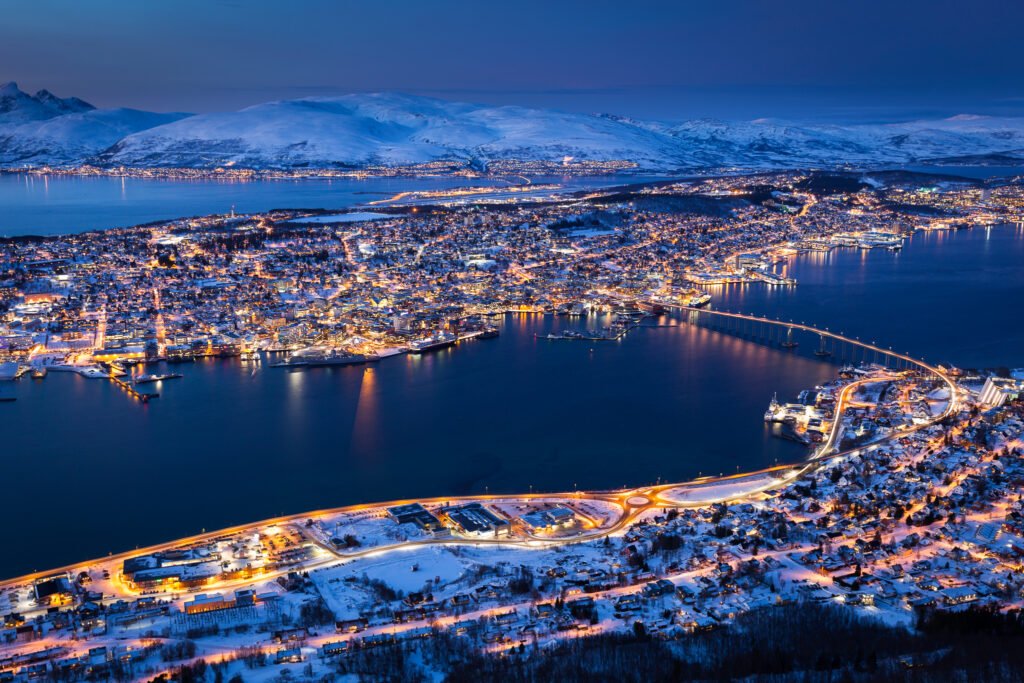
The author of these pages is a former research engineer in artificial intelligence, then science journalist, writer and traveler. Originally from Central Europe, he became enamored with the Far North: he has been a permanent resident in Norway, Finland, Estonia. He has made long stays in the Arctic regions of Norway, from Tromsø to Nordkapp, and Svalbard. Above all, the light of the Far North fascinates him: these winters muffled by snow and the blue light of a full moon in the strange polar night; the clear endless sun at the threshold of summer; these round celestial bodies resting all day, all night on the horizon in these calm lands.
Nevertheless, it is clear that adaptation to the northern photoperiod required certain conscious efforts from him. He is not alone here; Seasonal Affective Disorder, formally defined in 1984, is a studied phenomenon affecting – with notable exceptions, as we discuss in these pages – the populations of the Nordics and high latitudes. The scientific term refers to a winter form of depression, more precisely seasonal changes in sleep patterns, social activity, mood, weight, appetite and energy level.
During his very first expatriation to the North, yet in Southern Norway, the author experienced some of these symptoms. His mood was perfectly in balance thanks to some good daily practices; however, the changes in sleep rhythm were clear: falling asleep regularly shifted until a disorganized night stretched from two in the morning to noon. The following year, with simple and radical measures, the problem was totally resolved: the second Nordic winter was simply a Christmas tale.
About the Polar Daylight Wellbeing Guide
The author shares in these pages the best tips for adapting to the patterns of sunlight at northern latitudes. This guide is based on his personal experience and conscientious review of the scientific literature.
Do you wonder why extreme polar nights or midnight sun drive you crazy? Start here.
Do you want to know the length of today’s sunshine in your Far North location? Check our Polar Daylight Tracker by cities and latitudes. Compare to southern latitudes and marvel at the geographic phenomenon the tracker illustrates.